
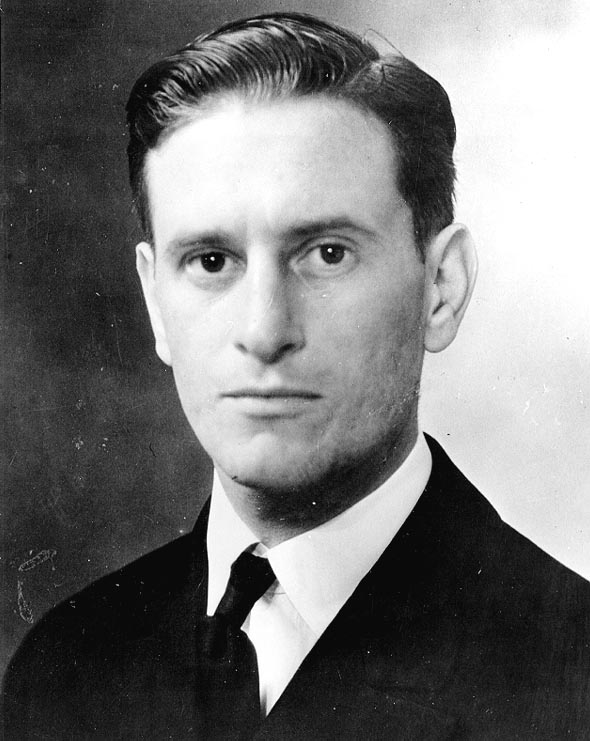
The Torpedo Squadron Commander Who Led From the Front at Midway
Eugene Elbert Lindsey was one of the courageous United States Navy aviators who helped define the Battle of Midway. As the commanding officer of Torpedo Squadron Six, he led his men from the aircraft carrier Enterprise into one of the most dangerous attacks of the Pacific war.
On June 4, 1942, Lindsey and his squadron flew into a storm of enemy fighters and anti-aircraft fire during the American attack on the Japanese carrier force. The odds were brutal. The danger was obvious. The mission demanded courage beyond ordinary measure.
Lindsey led anyway.
His final flight at Midway stands as one of the great examples of American duty, sacrifice, and leadership under fire.
Quick Facts
Full Name: Eugene Elbert Lindsey
Born: July 2, 1905, in Sprague, Washington
Died: June 4, 1942, during the Battle of Midway
Service Branch: United States Navy
Role at Midway: Commanding Officer of Torpedo Squadron Six aboard the aircraft carrier Enterprise
Rank at the Battle of Midway: Lieutenant Commander
Major Recognition: Navy Cross, Distinguished Flying Cross, Purple Heart
Known For: Leading Torpedo Squadron Six in its attack against the Japanese carrier force during the Battle of Midway
A Naval Aviator Forged by Service
Eugene Lindsey graduated from the United States Naval Academy in 1927 and became a naval aviator two years later. During the years before the Second World War, he served in a series of aviation assignments that prepared him for the demands of carrier warfare.
By 1940, Lindsey had taken command of Torpedo Squadron Six. His squadron operated from the aircraft carrier Enterprise, one of the most important American carriers in the Pacific.
Before Midway, Lindsey and his squadron had already seen action in the early months of the war. The men of Enterprise fought across the Pacific as the United States began pushing back after Pearl Harbor. Lindsey was not new to danger. He was an experienced officer leading men through a dangerous new age of naval combat.
Wounded Before the Battle
Just days before the Battle of Midway, Lindsey was badly injured in a landing accident aboard Enterprise. His torpedo bomber crashed while attempting to land on the carrier, and he suffered serious injuries.
Many men would have been unable to fly after that kind of crash. Many would have been ordered out of the fight. Lindsey understood the condition he was in, and he understood the importance of the battle ahead.
He chose to lead his squadron.
That decision tells us who Eugene Lindsey was. He was not simply a commander by title. He was a commander in action. His men were going into one of the most dangerous missions of the war, and he was determined to go with them.
The Torpedo Attack at Midway
On June 4, 1942, Lindsey led Torpedo Squadron Six from Enterprise against the Japanese carrier force.
The torpedo squadrons at Midway faced a terrible assignment. Their aircraft were slow, vulnerable, and forced to attack at low altitude. They had to fly directly toward heavily defended enemy ships while Japanese fighters and anti-aircraft guns tried to destroy them before they could release their torpedoes.
Lindsey and his men pressed forward anyway.
Torpedo Squadron Six flew into extreme danger as part of the American attack. The squadron was nearly wiped out during the battle. Lindsey was killed in action while leading his men against the Japanese fleet.
His Navy Cross recognized his extraordinary heroism, his relentless determination, and his disregard for his own safety during the attack.
Courage Against Impossible Odds
Eugene Lindsey’s story is one of leadership at the edge of human endurance.
He was injured before the battle, but he still chose to fly. He knew the danger facing torpedo aircraft, but he still chose to lead. He understood that the mission could cost him his life, but he still chose duty.
The attack by Torpedo Squadron Six was part of the larger chain of courage that made victory at Midway possible. The torpedo squadrons absorbed devastating punishment. Their assaults helped keep pressure on the Japanese carrier force and contributed to the conditions that allowed American dive bombers to strike at the decisive moment.
Lindsey gave everything he had to that mission.
Why Lieutenant Commander Lindsey Matters
Lieutenant Commander Eugene E. Lindsey represents the highest ideals of United States naval aviation. He led from the front. He refused to let injury keep him from his duty. He placed the mission and his men above his own safety.
At Midway, he showed the kind of courage that Americans must never allow to fade into the background of history.
That is why Eugene Lindsey belongs among the Midway Six.
His name should be known. His sacrifice should be remembered. His courage should be honored.
Part of the Midway Six
Lieutenant Commander Eugene E. Lindsey is one of the six American naval aviators at the center of the Midway Six Medal of Honor campaign.
Together, Clarence W. McClusky, Max F. Leslie, Eugene E. Lindsey, Lance E. Massey, John C. Waldron, and Richard H. Best helped shape the outcome of the Battle of Midway through extraordinary courage, leadership, and sacrifice.
Their actions helped change the course of the Second World War. Their legacy continues to inspire Americans today.
Help Honor Lieutenant Commander Eugene E. Lindsey
Lieutenant Commander Lindsey’s final mission at Midway was an act of extraordinary courage. He led his squadron into overwhelming danger because the mission mattered, the battle mattered, and America needed men willing to carry the fight forward.
His story deserves to be told. His name deserves to be remembered. His service deserves national recognition.
HonorAmericanHeroes.org exists to raise awareness, educate Americans, and build support for recognizing the Midway Six with the Medal of Honor.
Read their stories. Share their names. Help carry their legacy forward.